

Table of Contents
- Where to Buy Genuine Toyota Parts Online
- How to Verify Genuine Toyota Parts
- Toyota Parts by Model and Year
- Used OEM Toyota Parts: What You Need to Know
- Toyota Aftermarket vs. OEM Parts
- Total Cost Comparison: Shipping, Returns, and Warranties
- Common Mistakes When Buying Toyota Parts Online
- Frequently Asked Questions
Last Updated: October 19, 2026
Where to Buy Genuine Toyota Parts Online
Finding authentic genuine Toyota parts online requires knowing where to look and what to verify. Official Toyota dealers now compete with specialty OEM suppliers, used parts marketplaces, and independent retailers.

A counterfeit engine component can fail catastrophically, and a mismatched suspension part can compromise safety. This guide covers your options, how to verify purchases, and the hidden costs that separate a good buy from a costly mistake.
Official Toyota Parts Retailers
Toyota's official dealer network is the most straightforward path to genuine parts: buying directly from the manufacturer's authorized channel, with a factory warranty and documentation proving authenticity.
The trade-off is price. Official Toyota dealers typically charge 15-40% more than independent suppliers for identical components. Shipping is usually 3-5 business days for in-stock items, though backorders can take weeks.
Toyota's official website lets you search by model and year, then directs you to local dealers. Many dealerships offer free shipping above a certain threshold, varying by location and part type.
Genuine Toyota parts purchased from dealers typically include a 12-month warranty against defects, replaced at no cost if they fail. This protection is valuable for high-ticket items like engines or transmissions.
Specialty OEM Parts Suppliers
Independent OEM specialists source genuine Toyota components from manufacturers or authorized distributors and sell below dealer prices. They're not Toyota-owned, but their inventory is authentic.
These suppliers typically stock more than individual dealerships, so common parts ship faster, and lower overhead keeps pricing competitive.
The challenge is verification. Some suppliers sell refurbished or remanufactured components as new. Check whether the supplier is factory-authorized, provides documentation of authenticity, and covers damaged or ill-fitting parts in returns.
Bayou Garage Supply specializes in new and used OEM components for trucks and SUVs, including Toyota models. We stock engine, transmission, suspension, and body parts from verified channels, and back every part with clear warranty terms.
Delivery from specialty suppliers typically ranges from 2-7 business days depending on stock, with ground shipping often included above a certain order amount.
How to Verify Genuine Toyota Parts
Counterfeit auto parts are a genuine problem. A counterfeit oil filter might look identical but use substandard materials that degrade under heat, and a knockoff transmission component can strip threads or crack under normal driving loads.
Verification starts before you buy. It continues after the part arrives.
Check the Part Number
Every genuine Toyota part carries a unique part number, the way you confirm authenticity. It appears on the physical component, the packaging, and in official Toyota documentation.
To find your part number, consult your service manual or use your Vehicle Identification Number (VIN) to search Toyota's official catalog. The VIN encodes model year, engine type, drivetrain, and trim level, everything needed to identify the correct part.
When you receive a part, verify the number matches what you ordered. Counterfeiters often use similar-looking numbers that differ by a single digit. Check both the physical part and the packaging. If they don't match, or if the number doesn't appear at all, the part is likely counterfeit.
Bayou Garage Supply includes the correct part number on every listing and in your order confirmation.
Confirm Seller Authorization
Not every seller of OEM parts is authorized by Toyota. Authorization means a direct relationship with Toyota or an official distributor, with tracked and audited inventory.
Check for authorization badges or certifications on the seller's site, and look for statements about sourcing. Legitimate suppliers are transparent about whether they buy from Toyota directly, official distributors, or other verified channels.
Ask the seller directly. A legitimate business will provide documentation proving their authorization status. If they dodge the question or get defensive, that's a red flag.
One practical verification: check whether the seller offers a genuine parts warranty. If a part is truly OEM, the seller should be willing to back it with a warranty that covers defects. Counterfeiters rarely offer warranties because they expect their parts to fail.
Toyota Parts by Model and Year
Fitment is everything. A part designed for a 2015 Tundra won't bolt onto a 2010 Tundra, because connector types, bolt patterns, and electrical specifications change year to year.
When shopping for Toyota parts by model and year, use your VIN as your source of truth. It contains the year, model, engine type, and trim needed to identify compatible parts. Most online catalogs let you enter your VIN directly, then filter results to show only parts that fit.
If you don't have your VIN handy, find it on your registration, insurance documents, or the driver's-side dashboard near the windshield. It's a 17-character code that uniquely identifies your vehicle.
Many sellers organize catalogs by category, engine, transmission, suspension, body panels, interior trim, and accessories, with filters by model and year, which helps if you're unsure which part you need.
Bayou Garage Supply's catalog includes Toyota models across multiple generations. You can search by model year and specific component type to narrow down your options.
Used OEM Toyota Parts: What You Need to Know
Used OEM parts cost substantially less than new, a used transmission might run 40-60% less than a new equivalent. For budget-conscious buyers maintaining out-of-warranty vehicles, that's real savings.
The risk is condition. A used part may have accumulated miles, thermal stress, or minor damage that isn't immediately visible. A used engine with 150,000 miles will likely need replacement sooner than a new one, even if it runs fine when installed.
Used parts make sense for older vehicles where you're managing costs, hard-to-find discontinued components, or non-critical repairs. They make less sense for safety-critical components like brakes or steering, where failure could cause accidents.

When buying used OEM parts, inspect the return policy carefully. Can you return the part if it doesn't work? How long do you have to test it? What condition must it be in? These details matter because used parts carry inherent uncertainty.
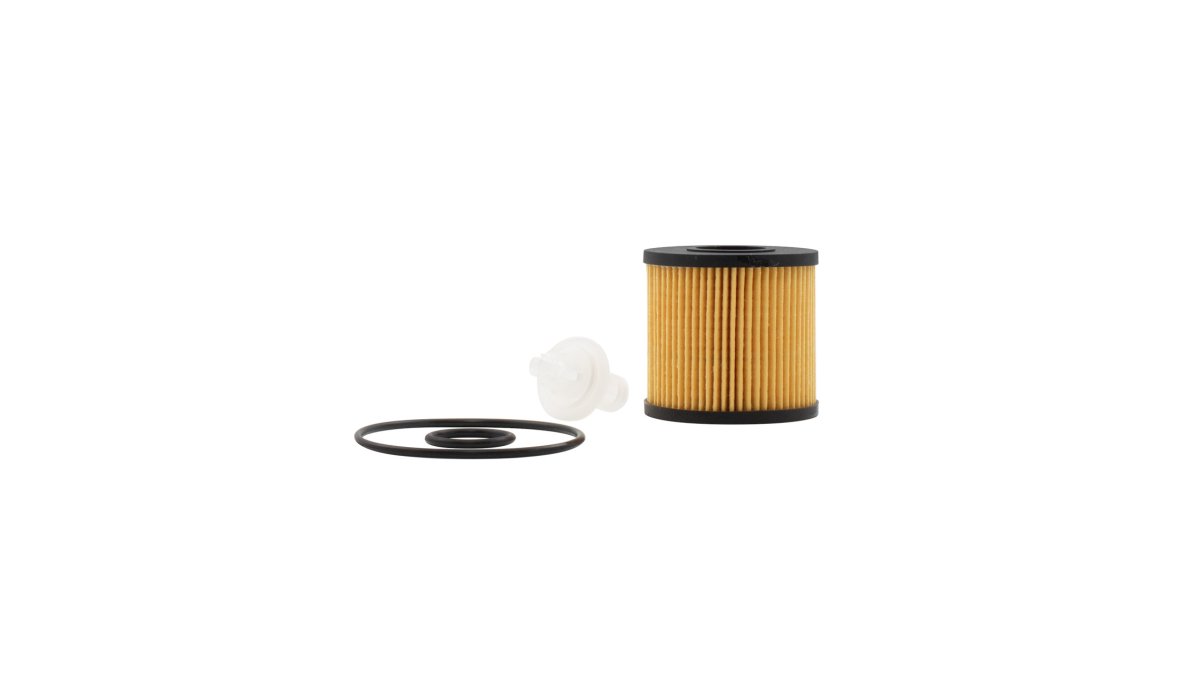
Factory Racing Parts Oil Filter 206492 Compatible With Toyota Camry Corolla →
Warranty and Return Policies
Used OEM parts typically come with shorter warranties, often 30-90 days instead of 12 months. Some sellers offer none, selling "as-is." This is where the real risk lives.
Read the return policy before you buy. A 30+ day window gives you time to install and test the part; a 7-day window may not if you're not installing immediately.
Understand what "condition" means for returns. Some sellers accept returns only if the part is unopened and unused; others allow returns of installed parts if defective. The first essentially means no returns if you actually need the part.
Bayou Garage Supply's return policy for used OEM parts includes a 30-day window and covers defective components.
Delivery Times and Tracking
Used parts inventory is less predictable than new. A used transmission might be in stock one day and gone the next, so delivery can range from next-day to 2-3 weeks for a backordered item.
Check inventory status before ordering. Most online catalogs show whether a part is in stock, backordered, or unavailable. If backordered, ask for an estimated arrival date, some sellers can provide it, others can't.
Tracking is essential. Once your order ships, you should receive a tracking number, not just for convenience, but as proof of delivery if a package arrives damaged or goes missing and you need to file a carrier claim.
Toyota Aftermarket vs. OEM Parts
Aftermarket components are made by third-party manufacturers without Toyota's official authorization. They're designed to fit Toyota vehicles but aren't made by Toyota.
Aftermarket parts cost 20-50% less than OEM equivalents. For routine maintenance items like oil filters, brake pads, or air filters, the quality difference is often negligible, and many aftermarket manufacturers produce reliable components.
The trade-off emerges with complex components. An aftermarket transmission might save you money upfront but fail sooner than an OEM transmission. An aftermarket engine block might have slightly different tolerances that cause issues with fuel injection or cooling systems.
OEM parts carry the assurance that they're engineered specifically for your vehicle. They've been tested in that exact configuration. An aftermarket part is engineered to fit and function, but it hasn't necessarily been tested in your specific vehicle's system.
For safety-critical components, OEM parts are the better choice. For routine maintenance items, aftermarket parts are often sufficient. For hard-to-find components or discontinued parts, sometimes aftermarket is your only option.
Bayou Garage Supply focuses on OEM parts because they deliver reliability.
Total Cost Comparison: Shipping, Returns, and Warranties
Comparing prices across suppliers requires looking beyond the part's sticker price. You need to factor in shipping costs, return policies, and warranty coverage.
A part priced $200 at Supplier A might cost $180 at Supplier B. But if Supplier A offers free shipping on orders over $150 and Supplier B charges $30 for shipping, Supplier A's effective price is lower. If Supplier A includes a 12-month warranty and Supplier B includes 30 days, Supplier A's total value is higher because you're protected longer if something goes wrong.
Return costs matter too. If a part doesn't fit, can you return it? Does the seller pay for return shipping? If you're responsible for return shipping, that's typically $15-40 depending on the part's weight and size. That cost should factor into your decision.
Warranty coverage is insurance against failure. A part with a 12-month warranty is lower-risk than an identical part with a 30-day warranty, all else equal. If the part fails after 90 days, the first warranty protects you and the second doesn't.
Create a simple comparison:
| Supplier | Part Price | Shipping | Return Shipping | Warranty | Total Cost | Effective Price |
|---|---|---|---|---|---|---|
| Supplier A | $200 | Free | Free | 12 months | $200 | Lower risk |
| Supplier B | $180 | $30 | $25 | 30 days | $235 | Higher risk |
The cheapest sticker price isn't always the best deal. The lowest total cost, including shipping, returns, and warranty, is what matters.
Common Mistakes When Buying Toyota Parts Online
The most common mistake is skipping the fitment verification step. A buyer sees a part priced well, orders it without confirming it matches their vehicle's year and model, and receives something that doesn't fit.
The second mistake is buying from unknown sellers without checking authorization status. Counterfeit parts look convincing but fail under stress.
The third mistake is assuming the cheapest price is the best value. As discussed above, total cost, including shipping, returns, and warranty, matters more than sticker price.
The fourth mistake is buying used OEM parts for safety-critical components. Brakes, steering, suspension, and electrical systems should use new OEM parts or high-quality aftermarket alternatives. Used parts in these categories carry unacceptable risk.
The fifth mistake is not confirming the part number before ordering. A part number that differs by a single digit might be incompatible with your vehicle. Always verify the number matches your VIN and your vehicle's documentation.
The sixth mistake is ignoring return policies. If you're ordering online without seeing the part in person, you need a clear path to return it if something is wrong.
Finding genuine Toyota parts online doesn't require specialized knowledge, but it does require asking the right questions.
Frequently Asked Questions
How can I verify that Toyota parts are genuine?
Check the part number against Toyota's official catalog using your vehicle's VIN. Genuine Toyota parts have consistent packaging, clear part numbers, and come from authorized dealers or verified OEM suppliers. Request documentation of authenticity from the seller, and verify the seller is factory authorized. Look for holographic labels or security features on packaging when applicable.
Where is the best place to buy OEM Toyota parts online?
Official Toyota dealer websites, factory-authorized parts retailers, and specialty OEM suppliers stock genuine Toyota parts. Compare pricing, shipping costs, and return policies across multiple retailers. Bayou Garage Supply specializes in used OEM parts for Toyota trucks and SUVs, offering alternatives to new parts at lower costs.
Can you buy used OEM Toyota parts online?
Yes. Used OEM Toyota parts are available through specialty suppliers that source from salvage yards and retired vehicles. Used OEM parts cost significantly less than new factory parts while maintaining original fitment. Verify warranty coverage, request inspection photos, and confirm the seller's return policy before purchasing used OEM components.
How do I find the correct Toyota part for my vehicle?
Use your vehicle identification number (VIN) to search parts catalogs on Toyota dealer sites or OEM suppliers. Most online retailers allow you to enter your model year, make, and trim to filter compatible parts. Confirm fitment compatibility before checkout, and save your VIN for future reference when ordering maintenance or replacement parts.