

Table of Contents
- Used vs Remanufactured Toyota Engines: Core Differences
- Toyota Engine Replacement Cost: Upfront Pricing Breakdown
- Used Engine Installation Cost vs Engine-Only Price
- Remanufactured Engine Warranty: Coverage and Fine Print
- Toyota Engine Compatibility by VIN: Verification and Fitment
- Reliability and Expected Lifespan: Long-Term Value
- When to Choose Used, When to Choose Remanufactured
- Frequently Asked Questions
Last Updated: October 18, 2026
Used vs Remanufactured Toyota Engines: Core Differences
When your Toyota engine fails, the choice in a used vs remanufactured engine shapes both your budget and long-term reliability. The difference goes deeper than price.
What Makes a Used Engine Different
A used engine is pulled from a donor vehicle and installed as-is, carrying whatever wear and history that vehicle accumulated. It may have 80,000 miles or 180,000, and you inherit that condition. Used engines cost less upfront because there's no rebuilding process.
The trade-off is uncertainty: a used engine might run flawlessly for another 100,000 miles or develop a leak within months. Warranty coverage is usually limited to 30 to 90 days, so most problems quickly become your responsibility.
What Remanufactured Means
Remanufactured engines are completely disassembled, inspected, and rebuilt to factory specifications. Pistons, rings, bearings, and gaskets are replaced with new or reconditioned parts, and the block and heads are cleaned, honed, and tested.
This process takes time and labor, which is why remanufactured engines cost more upfront. But you're buying predictability: a remanufactured engine typically comes with a 3- to 5-year or 100,000-mile warranty, backed by the rebuilder's reputation.
Toyota Engine Replacement Cost: Upfront Pricing Breakdown
The sticker price on a used or remanufactured Toyota engine is only the first line of the invoice. What determines whether the repair fits your budget is the total installed cost, built from line items shops quote inconsistently. Here's how to compare quotes on equal footing.
Engine-Only Price Ranges by Toyota Family
Used Toyota engines fall into three price bands. Four-cylinders from commuter models (Camry, Corolla, RAV4) run $800 to $1,800 depending on mileage and year. V6s from mid-size and full-size models (Highlander, Tacoma, Tundra) land between $1,500 and $2,800.
Remanufactured Toyota engines for the same families run $1,800 to $4,500, reflecting new internals, machine work, and the rebuilder's warranty reserve.
These are engine-only figures. They do not include shipping, core charges, or installation.
The Line Items Behind a Total Installed Cost
A realistic out-the-door estimate separates into seven components. Use this list to audit any quote you receive:
- Engine price, the used or remanufactured unit itself.
- Shipping or freight, $150 to $400 for a palletized engine; remanufactured units often ship free or at reduced cost from large rebuilders.
- Core charge, $200 to $800, refundable when the old engine is returned in rebuildable condition; used engines usually carry no core charge.
- Labor, 15 to 25 hours at $60 to $150 per hour depending on shop type, covered in detail in the next section.
- Fluids and filters, coolant, oil, oil filter, and sometimes transmission fluid if the swap disturbs the driveline: $100 to $300.
- Ancillary parts, gaskets, seals, belts, hoses, motor mounts, and spark plugs that are cheap to replace while the engine is out: $150 to $500.
- Diagnostics and disposal, $75 to $150 to confirm the failure, plus $50 to $150 to dispose of the old engine and fluids.
Add those lines and the gap narrows. A used engine at $1,200 with $2,000 in labor and $500 in support costs lands near $3,700. A remanufactured engine at $3,000 with the same labor and support costs lands near $5,500. The $1,800 engine-price difference becomes a total-cost difference of roughly $1,800 to $2,000 once shared costs are counted once.

Why the Same Engine Quotes Differ by Thousands
Two shops can quote the same remanufactured engine and land $1,500 apart. Usual causes: labor rate, whether ancillary parts are included, engine markup, and whether diagnostic time is bundled or billed separately. Dealerships typically run 20 to 40 percent above independent shops.
The lowest quote often excludes fluids, disposal, and ancillary parts, then adds them after the engine is on the lift.
Used Engine Installation Cost vs Engine-Only Price
Many people quote only the engine price and miss the full picture. Installation labor can equal or exceed the engine cost itself.
Labor Rates Across Shop Types
Independent mechanics typically charge $60 to $100 per hour. A complete swap takes 15 to 25 hours depending on the model and engine bay access, so labor alone runs $900 to $2,500.
Dealerships charge $100 to $150 per hour and may require additional diagnostic work before installation. Total labor at a dealership often reaches $2,000 to $3,500.
Chain shops like national tire retailers fall in the middle: $80 to $120 per hour, with total labor typically $1,200 to $2,500.
Hidden Costs and Total Out-the-Door Price
The out-the-door cost includes more than engine plus labor. Coolant, oil, filters, and gaskets add $100 to $300, disposal of the old engine may cost $50 to $150, and some shops charge diagnostic fees ($75 to $150).
For a used engine swap at an independent shop, expect a total out-the-door cost of $2,000 to $4,500. For a remanufactured engine at the same shop, expect $3,000 to $6,000. Dealership totals run 20 to 40 percent higher.
Remanufactured Engine Warranty: Coverage and Fine Print
Warranty length is where remanufactured engines shine. Most come with 3 to 5 years or 100,000 to 150,000 miles of coverage, whichever comes first.
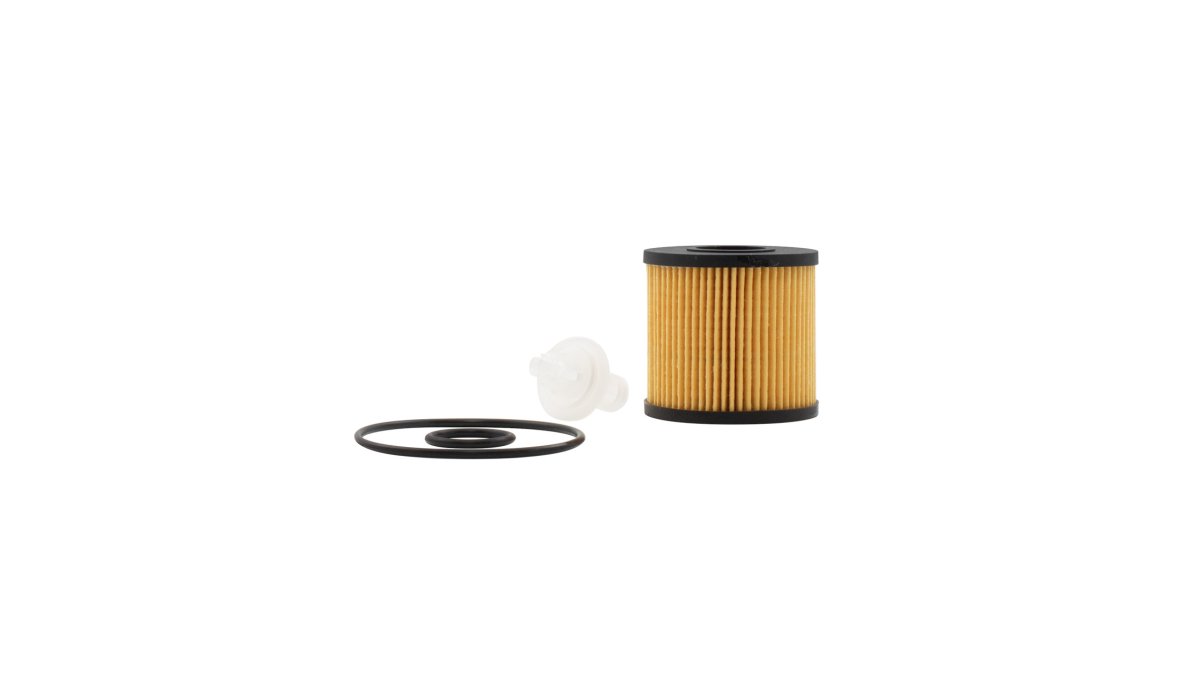
Factory Racing Parts Oil Filter 206492 Compatible With Toyota Camry Corolla →
But read the fine print. Some warranties cover only defects in workmanship or materials, not normal wear.
Used engine warranties are typically 30 to 90 days and cover only mechanical failure, not wear items. That short window means problems caught after 90 days are yours to fix.
Toyota Engine Compatibility by VIN: Verification and Fitment
Fitment is where most engine-replacement mistakes originate. A Toyota engine that looks identical on the outside can differ in engine code, emissions configuration, drivetrain interface, or control electronics. The wrong unit turns a straightforward swap into a wiring, inspection, or transmission problem.
The Fitment Variables That Actually Matter
Five variables determine whether an engine will drop in and run correctly:
- Engine code, the alphanumeric designation (for example, a 2.5L four-cylinder versus a 3.5L V6) that identifies displacement, head design, and internal components. Two engines from the same model year can carry different codes.
- Model year range, Toyota frequently revises sensors, mounts, and accessory drive layouts mid-generation. An engine from a different year in the same generation may bolt in but require harness or accessory changes.
- Emissions configuration, federal versus California emissions builds can differ in exhaust manifolds, EGR components, and sensor packages. Installing a federal engine in a California-registered vehicle can fail inspection.
- Drivetrain interface, manual versus automatic, front-wheel drive versus all-wheel drive, and hybrid versus conventional powertrains use different flywheels, bell housings, and mounting points.
- Electronics, engine control modules, harness connectors, and sensor calibrations vary by year and trim. A mechanically identical engine with incompatible electronics will not run without reprogramming or harness work.
Decoding Your VIN and Confirming the Engine Code
Your VIN encodes the engine variant in position 8. Decode it through Toyota's official documentation or a dealer parts counter, then match the resulting engine code exactly against the unit you're considering.
Before purchase, give the supplier your full VIN and ask them to confirm fitment in writing. A reputable supplier will cross-reference the engine code, year range, emissions build, and drivetrain. This takes minutes and prevents the most expensive category of mistake.
Used-Engine Provenance: A Verification Checklist
A used engine's history is its real value. Check these before you commit:
- Donor vehicle details, ask for the year, model, trim, and VIN of the vehicle the engine came from. A supplier who will not share this is a supplier to skip.
- Mileage documentation, request the odometer reading at removal and any available service records. Low-mileage accident vehicles are generally preferable to high-mileage fleet vehicles.
- Compression or leak-down results, ask whether the engine was tested before removal. Compression and leak-down numbers reveal ring and valve condition that visual inspection cannot.
- Damage history, confirm the engine was not involved in a fire, flood, or impact that damaged the block, heads, or oil pan.
- Visual inspection, check for external leaks, cracked mounts, and sludge under the valve cover if the supplier allows it.
- Return policy, confirm the return window and who pays return freight if the engine fails inspection on arrival.
Reputable suppliers provide donor details and test results up front without being asked. If you have to push for basic provenance, treat that as a signal.
At Bayou Garage Supply, we source used OEM parts and help you confirm fitment against your VIN before you commit.
Reliability and Expected Lifespan: Long-Term Value
A used engine with 120,000 miles might last another 80,000 or fail in 10,000. Remanufactured engines have a predictable lifespan: most perform reliably for 100,000 to 150,000 miles after installation, assuming proper maintenance.
The long-term value calculation depends on how long you plan to keep the vehicle. Selling in two years?
Maintenance matters equally. Neglect an oil change interval and either engine fails early; stick to Toyota's schedule and both last significantly longer.
When to Choose Used, When to Choose Remanufactured
The choice hinges on three factors: budget, ownership timeline, and risk tolerance.
Break-Even Analysis Based on Ownership Plans
Choose used if you're on a tight budget and plan to sell or trade within two to three years.
Choose remanufactured if you plan to keep the vehicle five or more years.
For a middle ground of three to four years, consider your vehicle's value and financial cushion.
Choosing between a used vs remanufactured engine is a decision about risk and timeline, not just price.
Frequently Asked Questions
What is the difference between a used, rebuilt, and remanufactured engine?
A used engine is removed from a donor vehicle and sold as-is with minimal inspection. A rebuilt engine has been disassembled, inspected, and worn parts replaced, then reassembled. A remanufactured engine undergoes a complete overhaul to factory specifications, with all internal components replaced or restored, then tested to OEM standards. Remanufactured engines typically carry the longest warranty and highest reliability, while used engines offer the lowest upfront cost but carry higher risk.
How much does it cost to install a used Toyota engine?
Installation labor typically ranges from $1,500 to $3,500 depending on your vehicle model and shop rates. Independent mechanics usually charge $75-$150 per hour; dealerships charge $120-$200 per hour. A Toyota Tundra or 4Runner engine swap usually takes 12-20 hours. Add the engine-only cost (used engines typically $800-$2,500), plus fluids, gaskets, and core charges. Total installed cost for a used engine usually falls between $2,500 and $6,000.
How can I verify a used Toyota engine will fit my vehicle using my VIN?
Your VIN contains the engine code in positions 4-8. Cross-reference this code with the donor vehicle's VIN and engine specifications. Use Toyota's parts catalog or contact a dealer with both VINs to confirm compatibility. Many engines appear identical but have different compression ratios, emission systems, or transmission mounts. Always verify the engine code, model year range, and transmission compatibility before purchasing.
Is a remanufactured engine worth the higher price?
Remanufactured engines cost 30-50% more than used engines but typically include 3-5 year warranties versus 30-90 days for used. If you plan to keep your vehicle 5+ years or need reliability for business use, a remanufactured engine often delivers better long-term value through reduced failure risk and peace of mind. For a vehicle you'll sell within 2 years or a weekend project truck, a used engine with proper inspection may offer better ROI. Calculate your total cost of ownership and expected ownership duration before deciding.