

Table of Contents
- Where to Find Used Truck Parts Online
- How to Find a Toyota Part Number for Your Vehicle
- Verify Truck Parts Compatibility by VIN and Fitment
- OEM vs. Aftermarket vs. Salvage Parts: What's the Difference
- Questions to Ask When Buying Used Auto Parts
- Inspect Condition and Evaluate Seller Reputation
- Used Auto Parts Warranty and Return Policy
- Compare Prices, Shipping, and Total Landed Cost
- Frequently Asked Questions
Last Updated: October 14, 2026
Where to Find Used Truck Parts Online
The process of buying used truck parts online now goes far beyond the local salvage yard. Online retailers stock everything from engine components to suspension parts, often far below new OEM prices. The challenge is knowing which sources are reliable.
Reputable sources fall into three categories: dedicated used parts retailers, marketplace platforms, and specialty salvage networks.
Start by identifying what type of part you need. Engine and transmission components require extra scrutiny, while body and suspension parts show more obvious wear you can evaluate from photos.
Most online retailers provide detailed listings with photos, part numbers, and fitment information. The best include condition ratings, warranty details, and return policies upfront.
How to Find a Toyota Part Number for Your Vehicle
Finding the correct part number is your first critical step. A wrong number wastes time and money on returns and reorders.
Your part number is typically found in one of three places: the owner's manual, the original part itself, or the manufacturer's parts catalog. For Toyota trucks and SUVs, the owner's manual often lists numbers for commonly replaced items like filters, belts, and hoses.
If you're replacing an existing part, check what's already installed, most components have the part number printed or stamped directly on them. Note it before shopping.
For parts you can't access easily, Toyota's official parts catalog is your best resource; you'll need your VIN. Many online retailers also offer VIN-based lookup tools that automatically populate compatible parts.
When you find a part number, verify it matches your model year. Toyota uses different numbers for the same component across model years: a transmission part for a 2015 Tundra differs from a 2018 Tundra's, even if they look similar.
Verify Truck Parts Compatibility by VIN and Fitment
Using Your Vehicle Identification Number
Your VIN is the master key to compatibility. This 17-character code contains your vehicle's year, make, model, engine type, and transmission, everything needed to confirm a part will fit.
Most reputable retailers now offer VIN-based searches. Enter your complete VIN and the system filters parts to those compatible with your vehicle.
Find your VIN on the driver's side dashboard (visible through the windshield), your registration, or your insurance documents. Have it ready when browsing parts online.
Cross-Referencing Part Numbers and Interchange Numbers
Part numbers and interchange numbers are related but different. Your original part has a specific OEM number; an interchange number refers to a different part that performs the same function and fits your vehicle, often from another manufacturer or model year.
When shopping for used parts, you'll frequently encounter interchange numbers. A suspension component from a 2014 Toyota Tundra might use the same part as a 2013 model, which helps you find more options and often better prices.
Always verify interchange compatibility before purchasing. Cross-reference the part number against Toyota's official compatibility charts or an online parts diagram tool. A part that fits a similar truck doesn't guarantee it fits yours; fitment depends on mounting points, connector types, and mechanical tolerances.
OEM vs. Aftermarket vs. Salvage Parts: What's the Difference
OEM parts are original equipment manufacturer components, the exact parts Toyota installed at the factory. New OEM parts cost the most but guarantee fitment and performance. Used OEM parts deliver the same quality at a fraction of the price and are your safest choice when buying used.
Aftermarket parts are made by third-party companies to fit your vehicle. They're typically cheaper than OEM and available in various quality tiers; some perform identically, others are lower quality. They work well for non-critical items like trim or weatherstripping, but for engine and transmission components, many experienced mechanics prefer OEM.
Salvage parts come from totaled or scrapped vehicles. These used OEM parts are removed from donor vehicles and resold. Quality varies significantly depending on how the donor was damaged and how the part was removed and stored.
For critical components like engines, transmissions, and suspension parts, buying used OEM parts is generally the best compromise between cost and reliability. Bayou Garage Supply specializes in sourcing quality used OEM components.
Questions to Ask When Buying Used Auto Parts
Ask about the part's history. Where did it come from, was it removed from a running or salvaged vehicle, and how long was it in use? Parts from well-maintained vehicles running smoothly when dismantled are generally more reliable than those from damaged ones.
Inquire about testing and inspection. Has the part been tested for function? For electrical components, were continuity and voltage verified? For mechanical parts, were they inspected for cracks, corrosion, or wear? Reputable sellers perform basic testing and document findings.
Ask about the return policy. What happens if the part arrives damaged or doesn't fit? A seller confident in their product offers straightforward returns; be wary of restrictive or unclear policies.
Request detailed photos from multiple angles, including close-ups of wear or damage. If a seller refuses or offers only one generic image, that's a red flag.
Confirm shipping and packaging. Heavy components like engines and transmissions require proper crating and padding. Ask about insurance coverage if it arrives damaged.
Inspect Condition and Evaluate Seller Reputation
Step-by-Step Used-Part Inspection Checklist
When your used part arrives, inspect it thoroughly before installation to catch problems early and document any damage for return claims.
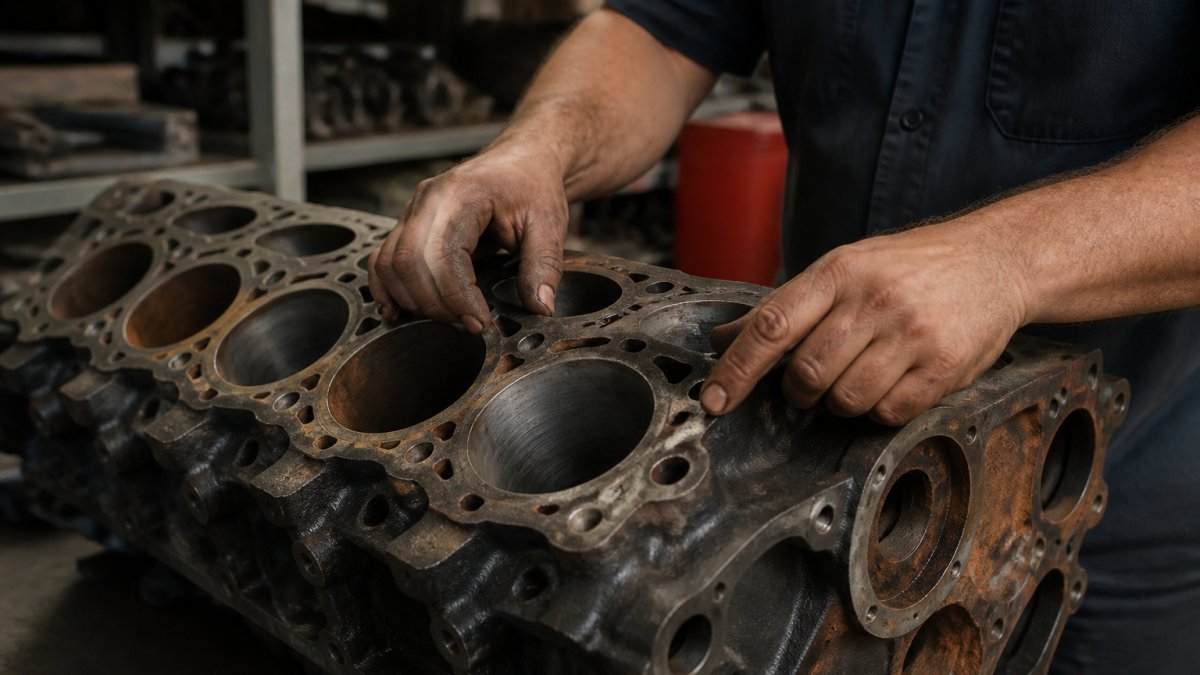
- Visual inspection: Look for cracks, breaks, or obvious damage. Check for rust, corrosion, or discoloration that suggests exposure to moisture or chemicals.
- Connector condition: For electrical components, examine connectors for bent pins, corrosion, or loose contacts. Gently test connector fit to ensure it matches your vehicle's socket.
- Mechanical function: For moving parts, rotate or flex them gently to confirm smooth operation. Listen for grinding, clicking, or unusual sounds that indicate internal damage.
- Measurement verification: For parts with specific dimensions (gaskets, seals, hoses), measure them against the original or specifications to confirm they match.
- Thread condition: For bolted components, inspect threads carefully. Stripped or damaged threads mean the part won't secure properly.
- Surface finish: Check that painted or plated surfaces aren't excessively worn or peeling. This indicates how the part was stored and handled.
- Documentation: Compare the received part's VIN, part number, and condition against the seller's description. Note any discrepancies for potential returns.
If you find issues during inspection, photograph them and contact the seller immediately. Most reputable sellers will arrange a return or replacement quickly if you document problems promptly.
Dorman Leaf Spring Hangers - 722077 →
How to Assess Seller Reputation and Avoid Scams
A seller's reputation is your best predictor of transaction success. Multiple positive reviews from verified buyers indicate consistent quality and honest dealings.
Check seller ratings on the platform where you're buying. Isolated negative reviews happen to any seller, but consistent complaints about damaged parts, misrepresented condition, or poor communication are warning signs.
Read recent reviews specifically. A seller with excellent ratings from five years ago but poor ratings recently has likely changed their practices. Current feedback matters more than historical performance.
Verify the seller's return policy and response time. Legitimate sellers clearly state how long you have to return a part and how quickly they process returns. If a seller is evasive about returns or takes days to respond, avoid them.
Watch for common scam patterns. Prices significantly below market rate often indicate misrepresented parts or fraud. Sellers requesting payment through untraceable methods (wire transfer, cryptocurrency) rather than platform-protected payment systems are higher risk.
Use platform protection features. Most reputable marketplaces offer buyer protection guarantees, ensuring you can recover money if a part arrives damaged or doesn't match the description. Use it.
Used Auto Parts Warranty and Return Policy
Warranty and return policies directly affect your financial risk when buying used parts. Understanding them before purchasing saves frustration and money.
Most used parts carry limited or no warranty. A seller might guarantee the part is functional at the time of sale but offer no coverage if it fails after installation, unlike new OEM parts, which typically include manufacturer warranties.
Some sellers offer 30-day return windows, giving you a chance to test the part and confirm it works. After that period, most sellers won't accept returns.
A few reputable sellers offer limited warranties on critical components like engines or transmissions, covering defects for 30, 60, or 90 days.
Understand who pays return shipping. Some sellers cover this cost; others require you to pay. Return shipping for heavy components like engines can cost $100-300, which significantly affects your total cost if the part doesn't work out.
Before purchasing, clarify the warranty and return process in writing. Ask the seller directly: What's covered? How long is the return window? Who pays shipping?
Compare Prices, Shipping, and Total Landed Cost
The listed price is only part of what you'll actually pay. Shipping, taxes, and potential return costs significantly impact your total investment.
Calculate your total landed cost by adding the part price, shipping fees, and any applicable sales tax.
Shipping costs vary dramatically based on part weight and size. A small sensor might ship for $8; a used transmission could cost $150-300. Ask sellers for exact quotes before purchasing.
Evaluate shipping speed against cost. Expedited shipping costs more but gets parts to you faster; standard shipping is cheaper but might take 7-14 days.
Consider warranty and return coverage as part of total cost.
Bayou Garage Supply maintains competitive pricing on quality used OEM parts. Our inventory includes suspension components like the Dorman Leaf Spring Hangers - 722077 at $95.03, transmission components including the Dorman Slip Yokes - 697605 at $133.43, and steering components like the Dorman Steering Shaft for Chevrolet, GMC & Cadillac at $327.35. We also carry body parts such as the Coast to Coast Ford Chrome Front Bumper FO1002167V at $331.19.


Buying used truck parts online saves money, but only when you approach it strategically.
Start with reputable sellers who provide detailed information, clear photos, and strong return policies. Use your VIN to verify compatibility before ordering. When parts arrive, inspect them thoroughly against the checklist above.
At Bayou Garage Supply, we understand the importance of reliability when sourcing used OEM parts for your truck. Our inventory includes verified components, backed by clear return policies and responsive customer service.
Frequently Asked Questions
Is it safe to buy used truck parts online?
Yes, if you take precautions. Verify the seller's reputation through customer reviews and ratings, confirm the part number matches your vehicle's specifications, and request photos of the condition before purchasing. Use payment methods with buyer protection, such as credit cards or PayPal, which offer recourse if the part doesn't arrive or doesn't fit. Always check the return policy before committing to the purchase.
How do I find the correct OEM part number for my truck?
Start with your vehicle identification number (VIN), which you'll find on your driver's side door jamb or windshield. Use your truck's make, model, and year to access the manufacturer's parts catalog online or contact a dealership. Many online retailers have part lookup tools where you enter your vehicle details. Write down both the OEM part number and any interchange numbers, as sellers may list parts under different numbers.
What should I do if a used truck part arrives damaged or doesn't fit?
Document the damage or misfit with photos immediately and contact the seller within their stated return window. Most reputable online retailers offer returns or refunds if the part doesn't match the listing description. Check the return policy before buying, some allow 30 days, others less. If the seller won't cooperate, dispute the charge with your credit card company or payment platform. Keep all shipping materials and documentation until the issue is resolved.
What's the difference between OEM, aftermarket, and salvage truck parts?
OEM (original equipment manufacturer) parts are made by the truck's manufacturer and guarantee exact fitment and quality. Aftermarket parts are made by third parties and vary in quality but cost less. Salvage parts come from wrecked or recycled vehicles and are cheaper but may have hidden wear. For critical components like engines or transmissions, OEM parts offer better reliability. For suspension and body parts, aftermarket or salvage options can save money if inspected thoroughly.